Workplace Management
2024-05-06
.webp)
Promoting Lifelong Learning: Importance and Examples
Standing still is a step backwards! In this article, you will learn how lifelong learning can drive your company's success. We look at strategies to promote an active learning culture, the benefits for employee retention, and how modern work environments promote knowledge sharing. Get your team ready for tomorrow's challenges — knowledge is the best investment!

Table of contents
Lifelong learning has become increasingly important in today's rapidly evolving world. It refers to the ongoing process of acquiring knowledge and skills throughout one's life, beyond formal education. In this article, we explore the definition, history, examples, and importance of lifelong learning, as well as how individuals can incorporate it into their lives.
Lifelong Learning - a History
Lifelong learning encompasses the continuous pursuit of knowledge and skills throughout an individual's lifetime, encompassing both formal and informal learning experiences. It emphasizes personal development, professional growth, and adaptability to changing circumstances and environments.
Throughout history, societies have recognized the importance of ongoing education and skill development. However, the concept of lifelong learning gained prominence in the 20th century with the emergence of adult education movements and the recognition of the need for continuous learning in a rapidly changing world. Today, lifelong learning is considered essential for personal and professional success in the knowledge economy.
Why is Lifelong Learning Important?
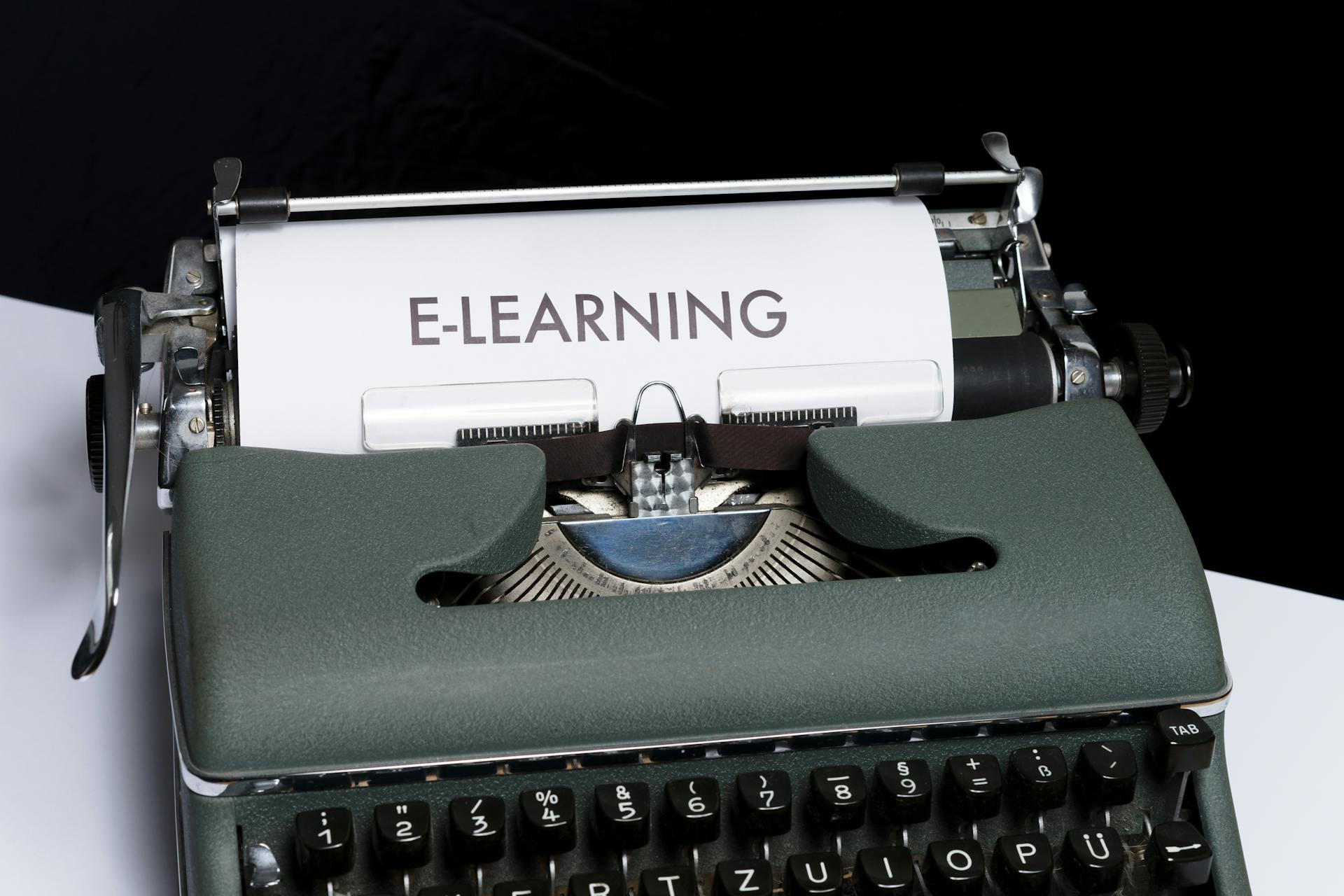
Lifelong learning is crucial for several reasons. In today's dynamic and fast-paced world, individuals must continually update their skills and knowledge to adapt to changing circumstances and technological advancements. Additionally, lifelong learning fosters personal growth and fulfillment, enabling individuals to pursue their interests, passions, and aspirations throughout their lives. Continuous learning also enhances employability and career prospects by equipping individuals with the latest skills and knowledge demanded by employers in various industries. Moreover, lifelong learners are more innovative and creative, as they are constantly exposed to new ideas, perspectives, and experiences that stimulate their creativity and problem-solving abilities.
What Does Lifelong Learning Mean in Practice
In practice, lifelong learning involves:
- Setting Learning Goals: Identify areas of interest or skills you want to develop and set specific learning objectives to achieve them.
- Seeking Learning Opportunities: Take advantage of formal education programs, online courses, workshops, seminars, and self-study resources to acquire new knowledge and skills.
- Embracing Challenges: Be open to stepping out of your comfort zone and embracing new challenges that facilitate growth and learning.
- Reflecting on Learning: Regularly reflect on your learning experiences, assess your progress, and adjust your learning strategies as needed to optimize your learning outcomes.
- Sharing Knowledge: Engage in knowledge-sharing activities such as mentoring, tutoring, or participating in peer learning communities to reinforce your learning and contribute to the learning of others.
Lifelong Learning Examples

Examples of lifelong learning include:
- Pursuing higher education or professional certifications to enhance career opportunities.
- Learning a new language or musical instrument for personal enrichment.
- Acquiring new technical skills through online courses or workshops.
- Attending industry conferences or networking events to stay updated on industry trends and developments.
- Reading books, articles, or research papers on topics of interest to expand knowledge and understanding.
Conclusion
In conclusion, lifelong learning is a fundamental aspect of personal and professional development in today's knowledge-based society. By embracing continuous learning and seeking opportunities for growth and development throughout their lives, employees can adapt to changing circumstances, advance their careers, and lead fulfilling and meaningful lives. Incorporating lifelong learning into one's lifestyle requires a proactive and open-minded approach, but the rewards in terms of personal growth, career success, and overall well-being are invaluable.
The most important questions summarized
What is lifelong learning and why is it vital for companies today?

Lifelong learning describes the constant readiness to expand knowledge and skills throughout one's professional career. In a rapidly changing digital world, technical expertise becomes obsolete ever faster. Companies that establish a learning culture remain competitive because their teams can react more agilely to market changes. It is not just about formal training, but about a "growth mindset" that fosters curiosity and adaptability. This is how businesses secure their innovative strength and minimize the skills shortage from within.
How can employers create an effective learning culture that truly motivates employees?
A genuine learning culture requires psychological safety and time resources. Leaders should act as role models and make their own learning visible. In addition to traditional courses, formats such as peer-to-peer learning, mentoring, or "learning lunches" are highly effective. It is important that learning is understood not as an additional burden, but as an integral part of work. When companies view mistakes as learning opportunities and support individual development paths, employee motivation to proactively continue their education and share new knowledge within the team increases significantly.
What role do office design and tools like Flexopus play in promoting knowledge exchange?
Learning often happens informally through encounters. A hybrid office concept with flexible zones specifically promotes this exchange. Tools like Flexopus support this process by allowing employees to book desks near experts or other teams (cross-functional exchange). Those who can see which colleagues are on-site can specifically initiate knowledge exchange. In this way, the office transforms from a mere workplace into a vibrant learning environment that enables social interaction and collective growth through smart resource planning.
Last updated:
2026-10-07
.svg)