Desk sharing
2026-04-10
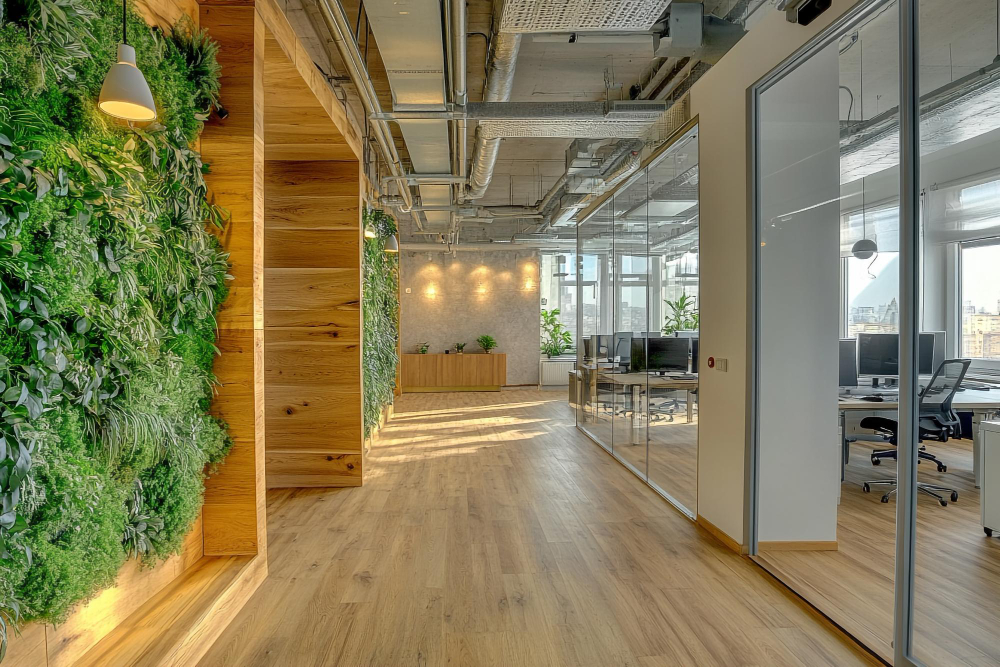
Reducing Real Estate Waste Through Smarter Desk Sharing and Online MBA Insights
Companies can use office space more strategically, reduce costs and improve their environmental footprint through data-based desk sharing and hybrid workplace concepts. At the same time, modern management approaches and digital tools help to sustainably strengthen collaboration, flexibility and employee satisfaction. Read more about it here.

Table of contents
Modern business is evolving dramatically as corporations realize that physical space does not directly affect output. The "one desk per employee" rule was the gold standard for decades, yet half-empty offices waste money and increase the business world's carbon impact.
Facility management goals to eliminate real estate waste have evolved into strategic imperatives requiring advanced corporate leadership, sociological understanding, and data science.

Future-looking executives want to solve these problems using technology and education. Modern scheduling tools and planning frameworks from an online graduate school can turn old, idle buildings into innovation hubs.
Due to this transformation, we must examine how people use the room and how data-driven decisions might boost profits while satisfying employees.
The financial and environmental cost of underutilized space
Real estate costs are usually the second most expensive thing for most businesses, right after salary. When desks are empty due to travel or mixed schedules, the company pays for "ghost" space that doesn't generate any revenue.
In addition to the financial impact, the environmental impact is significant, as heating, cooling, and lighting areas that aren't in use contribute substantially to global emissions.
Sociological and data science insights on space usage
- The 40% vacancy threshold: According to CBRE's 2024–2025 industry benchmarks, the "social energy" of the workspace drops significantly when daily office utilization stays below 40%. This makes the environment feel uninviting and empty for workers. You can read more about these benchmarks and occupancy rates worldwide here.
- Carbon intensity of underutilized assets: According to research, industrial buildings are responsible for almost 30% of the world's energy-related CO2 emissions. This means that making the best use of space is one of the most important parts of being environmentally friendly in business.
- The propinquity effect in hybrid settings: According to data science, teams still work together naturally when they are close to each other, but this needs to be managed through organized desk-sharing to ensure everyone is in the same room when they're in the office.
- Predictive analytics for occupancy: Companies can forecast "peak" days using past badge-in data. This lets them close some floors on low-traffic days to save significantly on power costs.
Bridging the gap with advanced management training
Changes to a workplace aren't always about furniture. It's about mood and change planning. This shows how an MBA benefits today's leaders.
Modern business schools teach digital transformation and resource optimization. These modules equip students to handle evolving workplace difficulties.
Leaders who understand human capital and physical assets can deploy "hot-desking" or "hoteling" without alienating staff. They learn to view the office as a resource that may grow or decrease with the business's demands.
How to implement a data-driven desk sharing program
- Check how much space is being used: Before you make any changes, use IoT devices or manual heat-mapping to identify which parts of your office are actually in use and which are just "claimed" by habit.
- Define your desking ratio: Based on your hybrid policy, determine a ratio (e.g., 1.5 workers per desk) to ensure there is always enough space without creating a 1:1 surplus.
- Invest in booking software that is easy to use: Choose a platform that lets employees see where their coworkers are sitting. This will help them get along and make it easier for them to find an office.
- Set up clear "neighborhoods": Assign departments to specific areas. This will help everyone feel like they fit and let people know where to find their immediate coworkers, even if the workplace is flexible.
Workplace optimization for hybrid teams
Successful workplace optimization for hybrid teams depends on digital tools and physical design working together without any problems. Employees will fight the change if the technology is hard to use. What's wanted is a "frictionless" office where going from working from home to a business hub doesn't feel like work.
Physical offices aren't as useful as they were five years ago, when teams worked from home. People go there for "high-intensity" activities like brainstorming, client talks, and getting to know each other better. Realizing this change lets businesses turn rows of cubicles into open-plan bars and project rooms, which often take up less space but are worth a lot more.
Expert tips for enhancing the digital workspace
- Prioritize synchronous tools: Ensure your communication and booking systems are linked so "office days" are synced with team calendars, maximizing face-to-face time.
- Privacy and openness should be balanced: Open areas are great for working together, but make sure there are "focus pods" for serious work. Lack of privacy is the main complaint in desk-sharing settings.
- Normalize a "digital first" culture: Ensure everyone has the same exposure and voice, even if they aren't in the same room. Treat every meeting as a digital event by default.
It's important to note the difference between a digital workplace and a digital workspace. A digital workplace is the ecosystem of tools, while a digital workspace is the specific area where an employee does their work.
The role of flexibility in employee retention
As the job market continues to value independence, workplace flexibility has become one of the best benefits. People aren't ready to drive two hours a day to work in a cubicle and answer emails that they could have answered from their kitchen table. Companies can make their value proposition more appealing by using less space and allocating the savings to better technology and employee perks.
For many professionals, flexible schooling is the best way to get these strategic insights. Picking the right school is important if you want to learn new skills while also working full-time. Check out the Research.com ranking of affordable MBA programs online to see which schools will help you reach your job goals the most.
Strategic insights from data science and sociology
The 2022–2023 study published in Nature Human Behaviour highlights a major societal change. Researchers analyzed data from more than 61,000 Microsoft workers and found that while working from home can separate functional groups, a strategic "hybrid" return is needed to preserve the "weak ties" that drive breakthrough innovations.
This information supports the idea that we don't need more room, but rather space that works better for us. Leaders can encourage creativity at work by planning desk-sharing schedules that intentionally overlap different areas. This can be done by looking at these information-transfer networks.
Financial insights for real estate reduction
- OPEX vs. CAPEX analysis: Switching to desk-sharing lowers long-term operational costs, such as utilities and maintenance, even if it costs more up front for new furniture and tracking technology.
- The "Flight to Quality" trend: Many businesses are moving from large, average suburban offices to smaller, higher-quality "Class A" spaces in city centers. They can afford better places with the money they save by moving to smaller spaces.
- Subleasing as a transition strategy: If you are stuck in a long-term lease, you might want to rent out your unused space to startups. This can help you cover your costs while you switch to a leaner business plan.
- Tax effects of greener buildings: In many places, firms that use rooms more efficiently to reduce energy use can qualify for "green" tax credits or better ESG (Environmental, Social, and Governance) scores.
Developing a future-proof leadership mindset
Managers need to change in order to adapt to these changes. The old "command and control" way of managing, where workers were expected to be at their desks from 9 to 5, is no longer useful. Leaders today need to manage goals and results. This is an important part of modern online education because it teaches students how to work well together across time zones and digital platforms.
A boss must also care about their team's health and safety at all times, no matter where they are working. The company has the same duty of care for all employees, whether they work in the office or work from home. This means that workplace standards and mental health must be treated equally for all employees.
Steps to cultivate an agile corporate culture
- Lead by example: Executives should be the first to give up their private offices and join the desk-sharing pool. This will show that the new system is an evolution of the whole team, not something mandated by the authority.
- Set up a feedback loop: Hold monthly "town halls" to discuss workplace issues and ensure the desk-sharing technology and rules are helping workers.
- Invest in change management: Don't just install new software; give your employees training that explains why the change is happening and how it will help them in their daily work.
- Focus on outcome-based performance: Instead of "hours logged," performance reviews should focus on "milestones achieved." This will automatically support a fluid and mixed work environment.
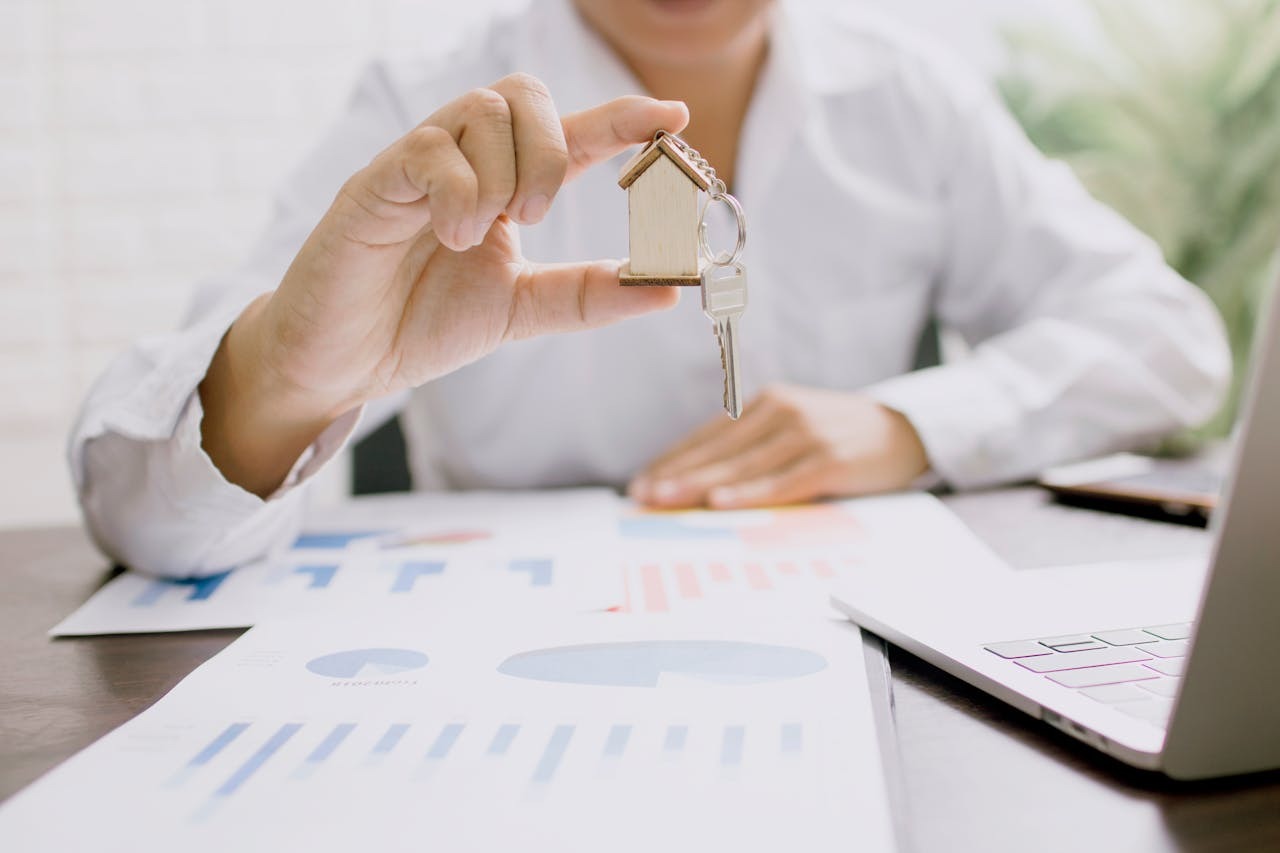
Strategic outlook for the leaner workspace
When you put together real estate strategy and academic research, you get a strong road map for the modern business. Organizations can turn their physical footprint from a wasteful liability into a strategic advantage by adopting an MBA mindset based on data, efficiency, and human-centered design.
Cutting down on real estate waste isn't just about saving money; it's also about making the workforce stronger, more stable, and happier.
In the future, the most successful businesses will be the ones that see optimizing the workplace for mixed teams not as a short-term fix but as a long-term way to stay ahead of the competition.
Frequently Asked Questions summarized
Why is desk sharing becoming increasingly important for companies?

Desk sharing helps companies to reduce unused office space and significantly reduce real estate costs. Especially with hybrid working models, many desks are not in permanent use. With more flexible space planning, costs, energy consumption and CO₂ emissions can be reduced without weakening team collaboration.
What role does data play in optimizing office space?
Data shows when workplaces, floors or meeting rooms are actually being used. On this basis, companies can better plan capacity utilization, identify peak times and adjust areas in a targeted manner. This creates offices that are better suited to actual working life and can be operated more economically and sustainably at the same time.
Why does the office remain relevant despite working from home?
The office is seen less as a fixed workplace and more as a place for exchange, creativity and personal collaboration. Physical proximity remains important, especially for brainstorming, customer meetings and building relationships. The decisive factor is therefore no longer as much space as possible, but a workplace concept that works flexibly, digitally and in a team-oriented manner.
Last updated:
2026-04-10
.svg)

.jpeg)

