
XaaS: The Evolution of IT Services and the Future of Cloud Computing
XaaS (Everything as a Service) is revolutionizing cloud computing by providing businesses with flexible, scalable, and on-demand IT services. Instead of building their own IT infrastructure, companies can use various services via XaaS to optimize costs, improve collaboration, and drive innovation. Solutions such as Flexopus as cloud software also support this development by making workplace management more efficient and flexible.
Die wichtigsten Fragen zusammengefasst
Was genau verbirgt sich hinter dem Begriff XaaS und welche Beispiele gibt es?

XaaS oder „Anything as a Service“ ist ein Sammelbegriff für Dienstleistungen, die über das Internet bereitgestellt werden, statt sie lokal zu installieren oder physisch zu kaufen. Bekannte Untergruppen sind Software as a Service (SaaS), Infrastructure as a Service (IaaS) oder Platform as a Service (PaaS). Sogar physische Konzepte wie Device as a Service (DaaS) fallen darunter. Kern des Modells ist die Bereitstellung von Funktionen auf Abruf, wobei der Anbieter sich um Wartung und Hosting kümmert, während der Nutzer lediglich für die tatsächliche Inanspruchnahme bezahlt.
Welche strategischen und finanziellen Vorteile bietet XaaS für moderne Unternehmen?
Der größte Vorteil ist die Umwandlung von hohen Investitionskosten (CapEx) in kalkulierbare Betriebskosten (OpEx). Unternehmen müssen keine teure Hardware oder unbefristete Softwarelizenzen im Voraus kaufen. Zudem bietet XaaS eine enorme Skalierbarkeit: Ressourcen können je nach Mitarbeiterzahl oder Projektbedarf flexibel hinzugebucht oder reduziert werden. Dies minimiert das finanzielle Risiko bei Fehlentscheidungen und sorgt dafür, dass die IT-Infrastruktur immer auf dem neuesten Stand bleibt, ohne dass interne Ressourcen durch aufwendige Wartungsarbeiten gebunden werden.
Wie profitieren hybride Arbeitsmodelle von Software-as-a-Service-Lösungen wie Flexopus?
SaaS-Lösungen wie Flexopus sind das Rückgrat des modernen Hybrid Office. Da die Software in der Cloud betrieben wird, können Mitarbeitende ortsunabhängig auf Buchungspläne zugreifen – egal ob im Homeoffice oder unterwegs. Die Vorteile von XaaS kommen hier voll zum Tragen: Schnelle Implementierung ohne eigene Server-Infrastruktur, höchste Sicherheitsstandards durch regelmäßige Updates des Anbieters und eine nahtlose Integration in bestehende digitale Ökosysteme. Es ermöglicht Unternehmen, den Arbeitsplatz als flexiblen Service zu verstehen, der sich dynamisch dem Bedarf anpasst.
Table of contents
In recent years, cloud computing has become one of the most important technologies helping companies make their IT infrastructure more efficient and drive innovation. One of the most notable developments in cloud computing is the concept of XaaS (Everything as a Service). XaaS represents a new level of flexibility and scalability by enabling companies to use various IT services on an as-needed and subscription-based basis. This innovative approach has the potential to revolutionize the way companies manage their IT resources.
What is XaaS?

XaaS is an umbrella term that encompasses various cloud services , including SaaS (Software as a Service), IaaS (Infrastructure as a Service) and PaaS (Platform as a Service). It enables companies to source their IT infrastructure, applications, databases, development environments and more as flexible and scalable services instead of owning and maintaining physical hardware and software themselves. With XaaS, companies can scale their IT resources on demand to meet changing requirements while saving costs by only paying for the services they actually use.
What are the advantages of XaaS?
The advantages of XaaS are obvious. First, it allows companies to focus on their core competencies instead of wasting valuable resources managing and maintaining their IT infrastructure. By outsourcing these tasks to cloud service providers, companies can increase their productivity and focus on developing innovative solutions to remain competitive. Second, XaaS enables high scalability by allowing companies to adapt their IT resources as needed. When demand increases, companies can quickly add additional capacity, while when demand decreases, they can reduce resources to optimize costs. This flexible approach minimizes investment risks and enables companies to respond agilely and quickly to changes in the market.
Another key benefit of XaaS is improved collaboration and connectivity. Because IT infrastructure and applications are delivered via the cloud, employees can access the resources they need from anywhere and using different devices. This promotes remote work, facilitates collaboration in distributed teams, and enables seamless integration of processes and data. In addition, XaaS offers companies the opportunity to benefit from the latest technologies and innovations as cloud service providers continuously improve their services and introduce new features. This way, companies can be sure that they are always up to date with the latest technology and benefit from the advantages of digital transformation.
Cloud software such as Flexopus as part of XaaS
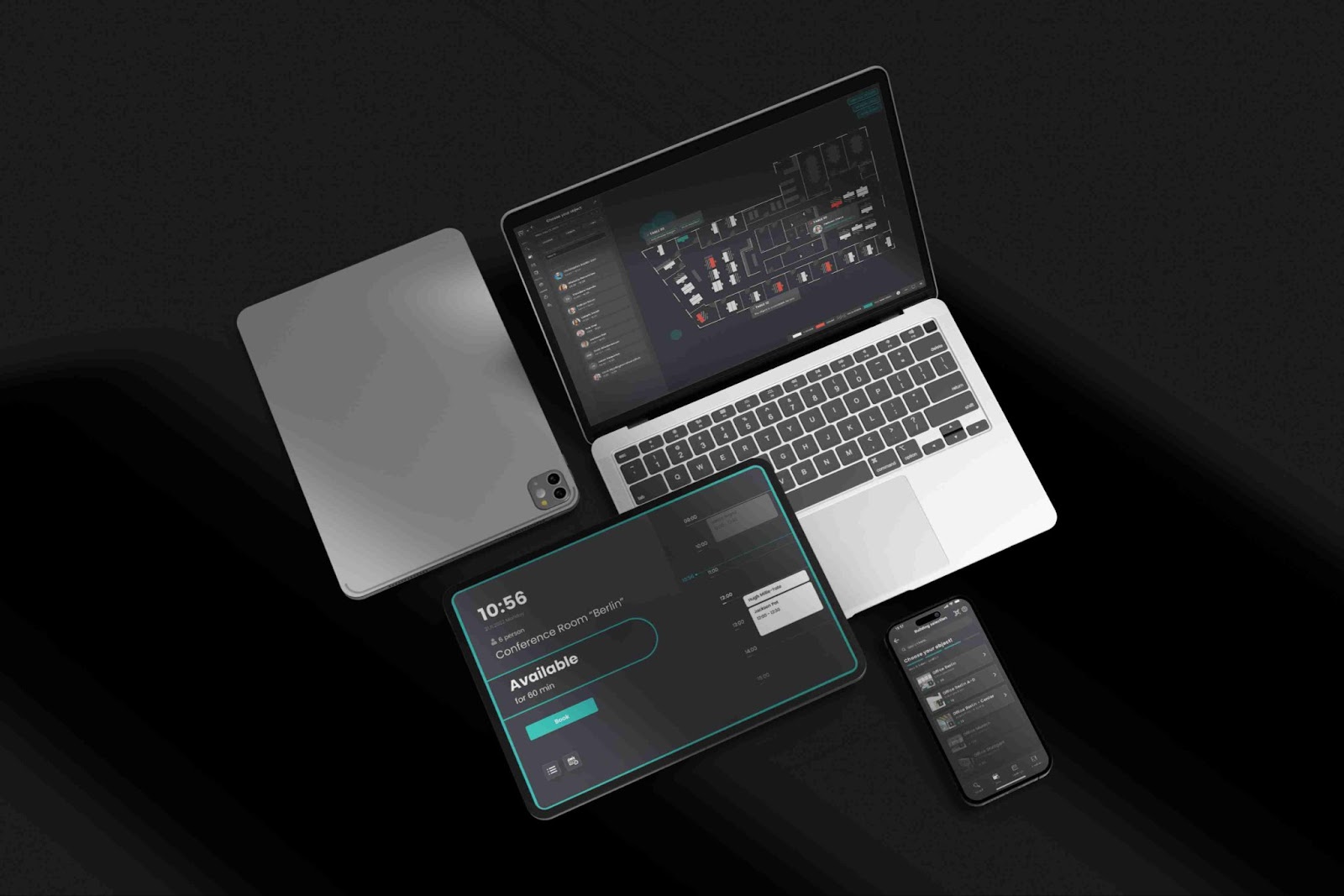
Flexopus is also one of these modern cloud solutions that support companies as part of the XaaS approach. As cloud software for workplace management, Flexopus enables companies to manage their workplaces, meeting rooms and parking spaces flexibly, scalably and from any location. This allows hybrid working models, desk sharing and resource management to be implemented efficiently – all as a service, without having to maintain local IT infrastructure.
What are the challenges of XaaS?
Of course, there are also challenges in implementing XaaS. An important aspect is the security and protection of sensitive data. Companies must ensure that their data is well protected in the cloud and that appropriate security measures are in place to prevent unauthorized access and data loss. In addition, when selecting cloud service providers, companies must carefully consider whether the services offered meet their specific requirements and whether the service level agreements provide adequate performance guarantees.
Despite these challenges, XaaS has the potential to shape the future of cloud computing. Companies can benefit from the many advantages that XaaS offers, including flexibility, scalability, cost-effectiveness, improved collaboration, and access to new technologies. XaaS is expected to continue to grow in importance in the coming years as companies seek agile and cost-effective solutions to manage their IT infrastructure and focus on their core business. XaaS provides businesses with the opportunity to adapt, grow, and thrive in a rapidly changing digital world.
Last updated:
2026-02-21
questions and answers
Was genau verbirgt sich hinter dem Begriff XaaS und welche Beispiele gibt es?
XaaS oder „Anything as a Service“ ist ein Sammelbegriff für Dienstleistungen, die über das Internet bereitgestellt werden, statt sie lokal zu installieren oder physisch zu kaufen. Bekannte Untergruppen sind Software as a Service (SaaS), Infrastructure as a Service (IaaS) oder Platform as a Service (PaaS). Sogar physische Konzepte wie Device as a Service (DaaS) fallen darunter. Kern des Modells ist die Bereitstellung von Funktionen auf Abruf, wobei der Anbieter sich um Wartung und Hosting kümmert, während der Nutzer lediglich für die tatsächliche Inanspruchnahme bezahlt.
Welche strategischen und finanziellen Vorteile bietet XaaS für moderne Unternehmen?
Der größte Vorteil ist die Umwandlung von hohen Investitionskosten (CapEx) in kalkulierbare Betriebskosten (OpEx). Unternehmen müssen keine teure Hardware oder unbefristete Softwarelizenzen im Voraus kaufen. Zudem bietet XaaS eine enorme Skalierbarkeit: Ressourcen können je nach Mitarbeiterzahl oder Projektbedarf flexibel hinzugebucht oder reduziert werden. Dies minimiert das finanzielle Risiko bei Fehlentscheidungen und sorgt dafür, dass die IT-Infrastruktur immer auf dem neuesten Stand bleibt, ohne dass interne Ressourcen durch aufwendige Wartungsarbeiten gebunden werden.