Workplace Management
2026-08-07
Room management for municipalities: Organize spaces easily and digitally
Digital room management helps municipalities organize rooms, workstations, parking spaces, and other resources centrally. Instead of spreadsheets, emails, and individual calendars, software ensures transparent occupancy, fewer double bookings, and reduced administrative effort. Flexopus bundles bookings, access rights, analytics, and multiple locations into a single platform.

Table of contents
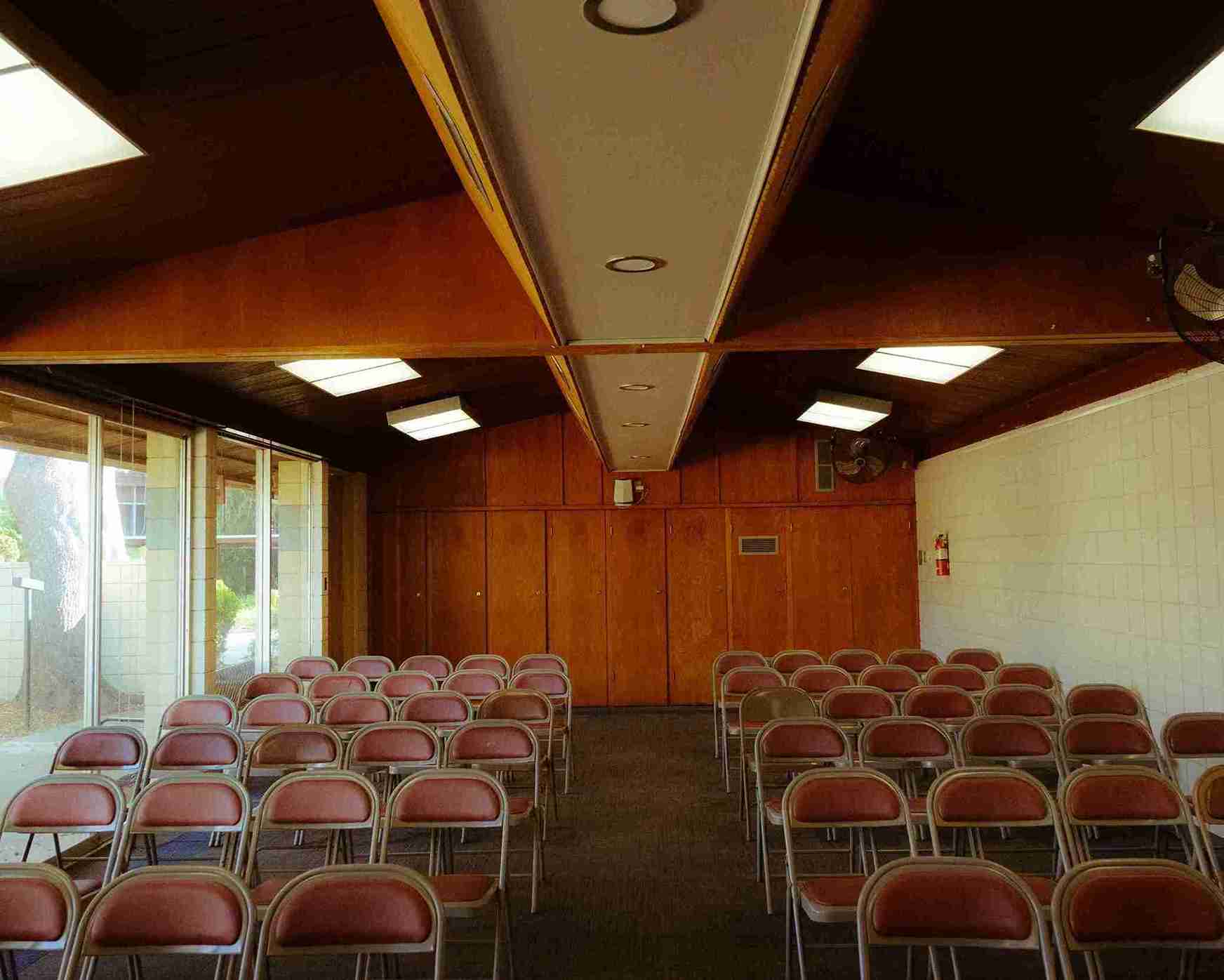
Municipalities manage a wide variety of rooms and resources. In addition to meeting rooms in the town hall, this often includes community halls, event spaces, training rooms, and other facilities used by staff, clubs, or citizens.
As the number of rooms, locations, and bookings grows, managing them with spreadsheets, emails, or traditional calendars becomes increasingly difficult. Digital room management for municipalities provides transparency: availability can be displayed centrally, reservations coordinated, and existing resources utilized more effectively.
What does room management mean for a municipality?
Room management encompasses all tasks related to the organization, use, and occupancy of municipal spaces. For example, the administration must ensure that a room is available at the desired time, offers the appropriate equipment, and is used only by authorized individuals.
In this process, various requirements can overlap. Staff need rooms for internal meetings, municipal representatives for council sessions, and clubs or citizens for events, for example.
Responsibilities and structures vary depending on the municipality, city, district, and federal state. Mayors, deputy mayors, or other administrative departments may be responsible for specific facilities. Depending on the state, regional administrative authorities may also take on overarching tasks.
However, when it comes to the actual room reservation, one thing matters most: all parties involved need an up-to-date overview of available and occupied rooms.
Which rooms and resources do municipalities need to manage?
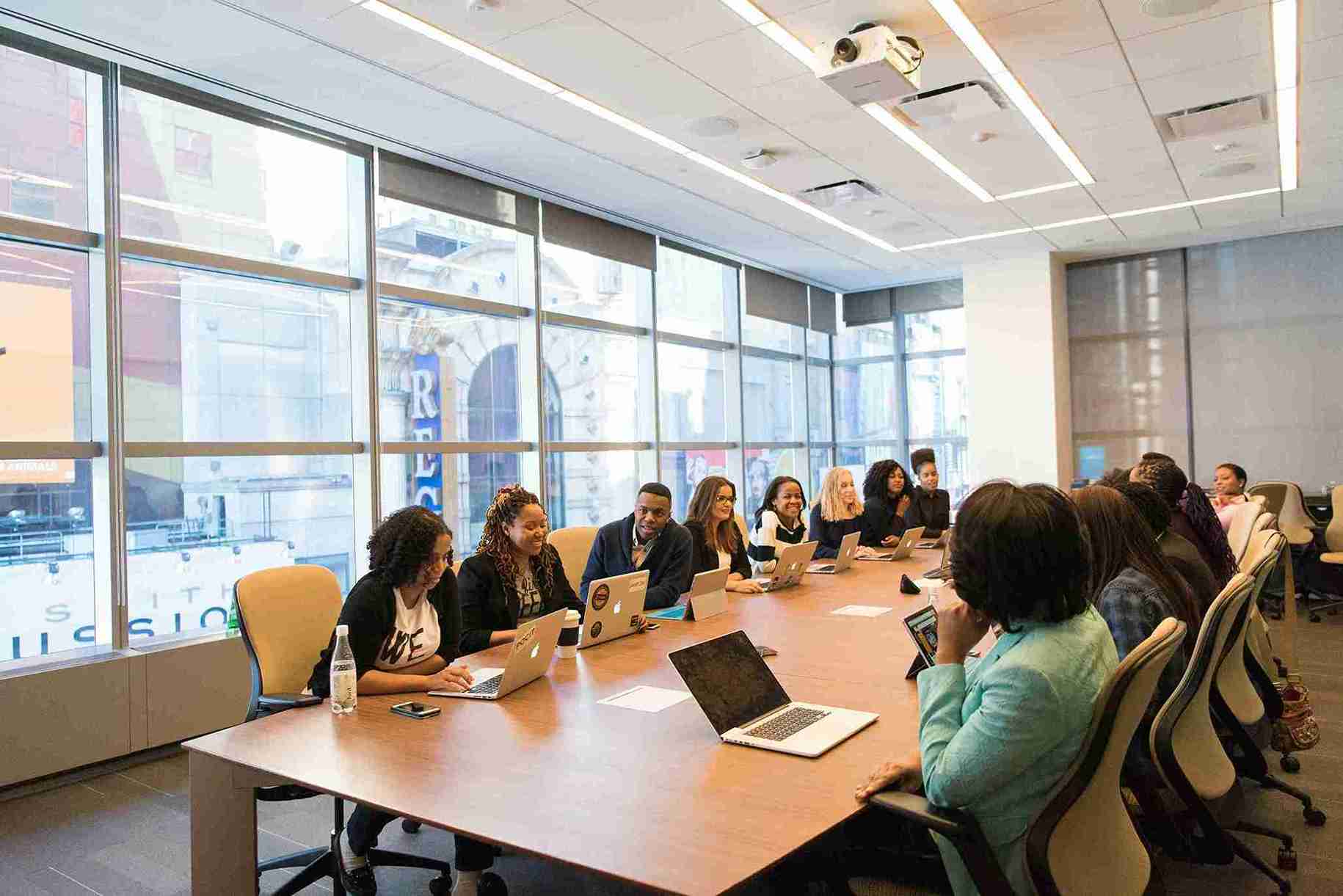
The resources that need to be managed depend heavily on the size and responsibilities of a municipality. Typical examples include:
- Meeting rooms in the town hall
- Council chambers and meeting halls
- Community halls
- Civic centers
- Event spaces
- Training and seminar rooms
- Community and multi-purpose rooms
- Spaces for clubs
- Kitchens and utility rooms
- Workstations
- Parking spaces
- Vehicles
In some cases, rented spaces are also included. Especially when renting external areas, it makes sense to know how intensively they are actually being used.
The rental of municipal premises can also be relevant. A community hall, for example, can be used by the administration as well as by clubs or a church congregation. This increases the requirements for a reliable occupancy schedule.
What are the weaknesses of manual room management?
For a small number of rooms, a simple spreadsheet may suffice. However, as the number of bookings and participants increases, problems quickly arise. An overview of the key differences between manual and digital room management:
| Manual room management | Digital room management |
|---|---|
| Scattered information | Central overview |
| Requests by email or phone | Digital reservations |
| Risk of double bookings | Up-to-date availability |
| High coordination effort | Direct bookings |
| Little usage data | Evaluable occupancy data |
It becomes particularly time-consuming when a request has to be checked by several people first. Changes to the time or the premises then lead to additional communication.
A digital solution reduces this effort and ensures that all parties involved are working with the same up-to-date data.

How does digital room management work for municipalities?
With a digital room booking system , municipalities can centrally map their resources digitally. The process is simple:
- Register rooms
The municipality enters rooms, locations, capacities, and equipment. - Set rules
Management defines who is permitted to view or book which rooms. - Check availability
Users can see which rooms are free via a digital occupancy calendar. - Reserve a room
The desired room is booked directly for the required time slot. - Manage bookings
Reservations and occupancy are centrally visible and can be adjusted as needed. - Analyze usage
Management can identify which rooms are heavily used and where capacity remains available.
A platform like Flexopus can consolidate these processes centrally and digitally map other municipal resources in addition to rooms.
Organize room management for municipalities with Flexopus
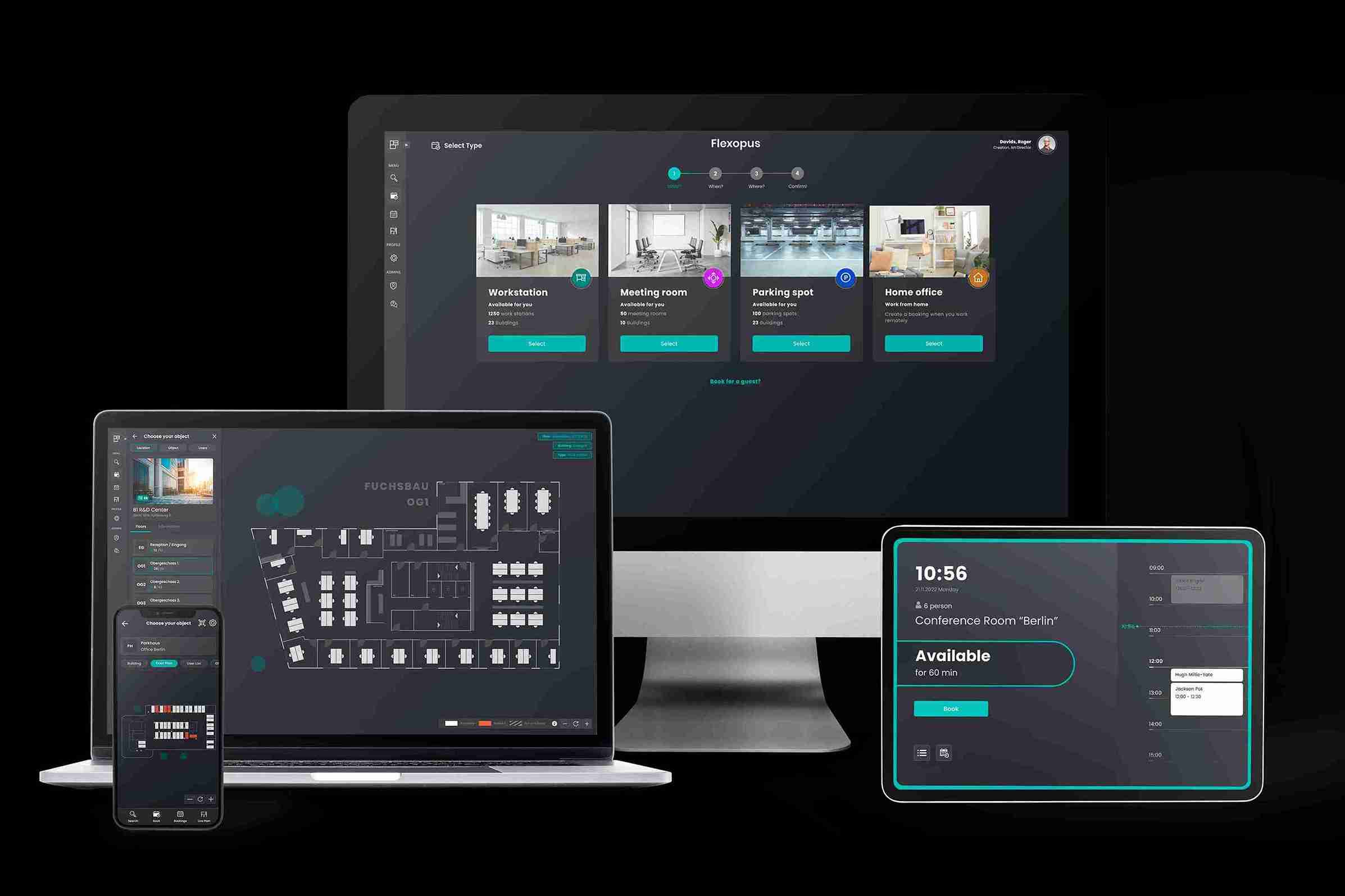
Flexopus supports organizations in the digital management and booking of workstations, meeting rooms, and parking spaces. For municipalities, this creates a shared platform where various resources can be organized clearly and efficiently.
Rooms can be displayed on interactive building and floor plans. Users can quickly see which room is available and complete their booking immediately.
The following functions are particularly relevant for room management in municipalities:
- centralized room reservation
- digital building and floor plans
- customized booking permissions
- Multi-location management
- Check-in and check-out
- The Flexopus display app
- Usage statistics
- Booking desks and parking spaces
At Flexopus, our experience has shown that it is crucial to keep the booking process as simple as possible. The less coordination required to make a reservation, the higher the adoption rate among employees and other users.
A typical use case: A municipality currently manages meeting rooms, a community hall, and workstations using various different calendars. With a centralized solution, available resources can be viewed and booked directly. At the same time, the administration keeps an overview of all bookings.
What are the benefits of digital room management for municipalities?
Centralized room management offers several advantages for municipalities:
- reduced administrative effort
- lower risk of double bookings
- transparent occupancy
- faster bookings
- better utilization of existing rooms
- clear access rights
- improved planning
- centralized management of multiple locations
There are also long-term benefits. Smart Analytics show, for example, which rooms are heavily used and which are rarely needed. This provides municipalities with a better basis for making decisions regarding space, leasing, or future requirements.
What do municipalities need to consider regarding data protection and security?
Data protection and security play a key role for municipalities when selecting software. After all, bookings may involve the processing of personal data belonging to employees and other users.
Important questions therefore include:
- Where is data stored?
- Who can view bookings?
- Can access rights be assigned individually?
- Are the requirements of the GDPR met?
- What technical security measures are in place?
Flexopus relies on Hosting in Germany and operates its application on dedicated server hardware in German data centers. For municipalities and other public institutions in particular, this can be an important factor when choosing a digital solution.
Conclusion: Digitizing room management for municipalities
Whether it is a small municipality, a larger city, or a district: as the number of rooms and reservations grows, centralized room management becomes increasingly important.
A digital solution reduces coordination efforts, prevents unnecessary double bookings, and improves the utilization of existing resources. Flexopus also integrates room management with the booking of workstations and parking spaces, creating a centralized solution for various municipal resources.
The most important questions summarized
What are the concrete benefits of digital room management for municipalities?

It provides a central overview of available and occupied rooms, reducing the need for coordination. Reservations can be made directly online, double bookings are avoided, and access rights are clearly defined. In addition, municipalities can analyze the actual usage of their spaces to better plan facilities, locations, and rentals.
Which rooms and resources can municipalities manage digitally?
In addition to meeting rooms, municipalities can manage council chambers, community halls, civic centers, training rooms, public and multi-purpose rooms, and spaces for clubs and associations. Depending on requirements, workstations, parking spaces, and vehicles can also be included, creating a unified overview of various municipal resources.
How does Flexopus support room management in municipalities?
Flexopus consolidates the booking and management of meeting rooms, workstations, and parking spaces into a single platform. Rooms can be displayed on interactive floor plans, assigned individual booking permissions, and managed via check-in. Smart analytics also help to evaluate resource utilization and usage.
Last updated:
2026-08-18
.svg)

.webp)

