Sensors for workplaces and meeting rooms
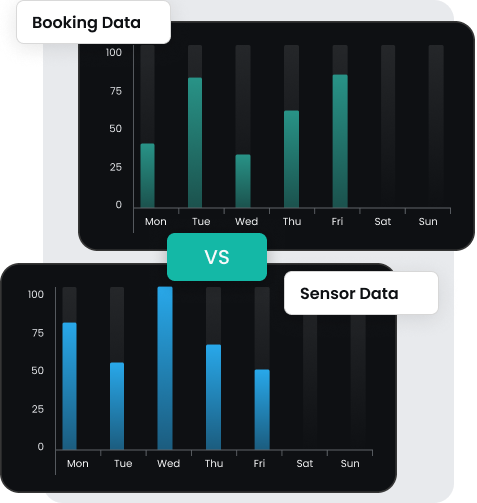
Close the gap between digital booking and real usage: By connecting sensors to Flexopus, you capture actual attendance. Instead of relying solely on booking figures, you receive reliable data about the actual usage of your office space.
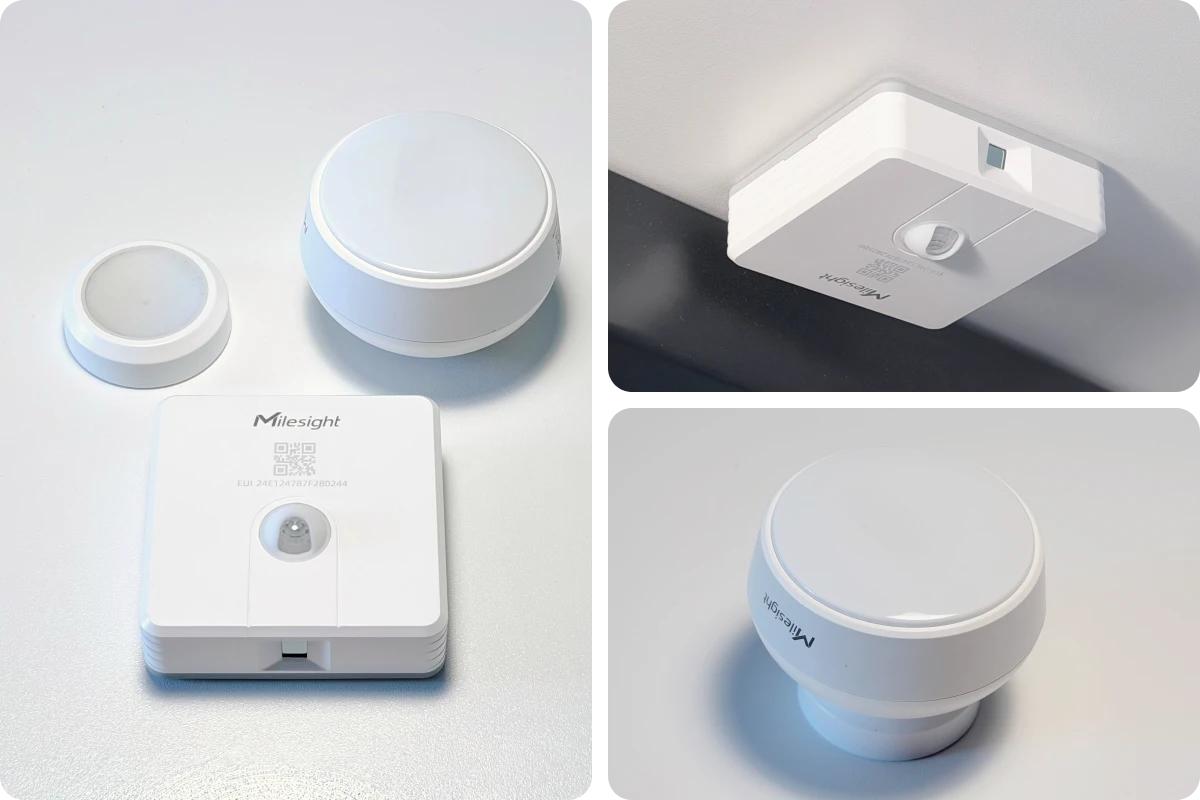
Already in use in over 4,000 offices!














Overview of the sensor connection functions
Sensors for workplaces

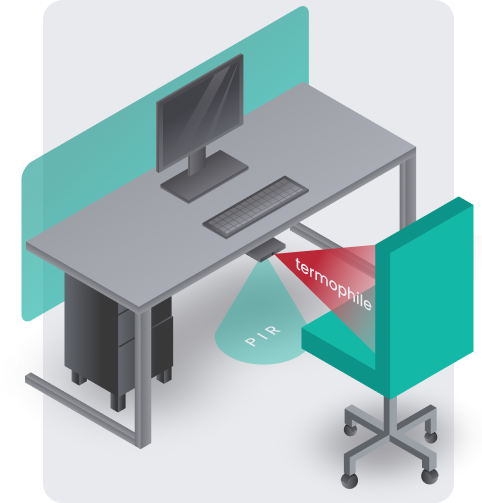
Compact desk sensors reliably detect whether a seat is occupied using a combination of movement and body heat – even when someone is working silently at the monitor for hours. This presence data is directly incorporated into your occupancy statistics.
Sensors for meeting rooms
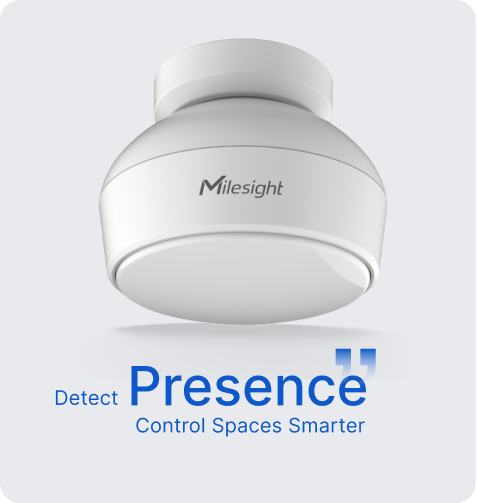
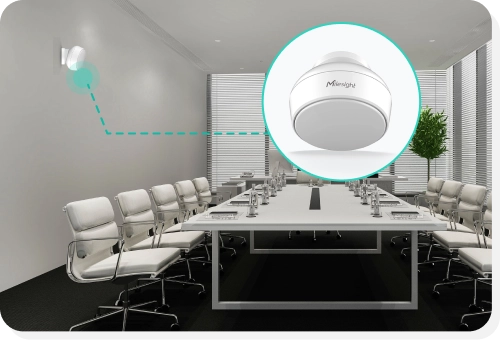
Ceiling and room sensors automatically register presence in meeting rooms and measure the actual usage time. This allows you to reliably track how intensively your conference and focus rooms are used throughout the day.
Actual occupancy data with heatmaps
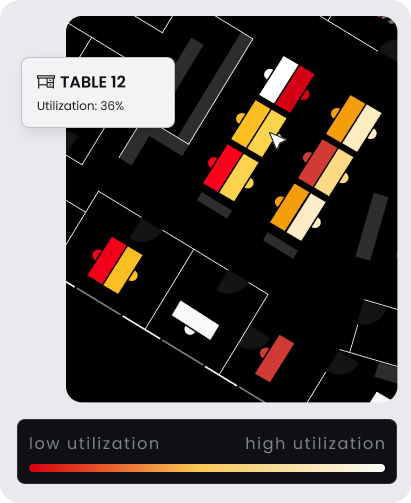
Visual heatmaps in the analytics clearly show at a glance how your office space is being used. They can identify which floors, zones or desks are particularly busy and which areas are hardly used in everyday office life.
Compare booking data with occupancy
By comparing reservation data from Flexopus with the actual presence data from the sensors, you can uncover discrepancies. The reports show you exactly how high the rate of unused bookings (no-shows) is and how often seats are used spontaneously without a reservation.
Anonymous data analysis
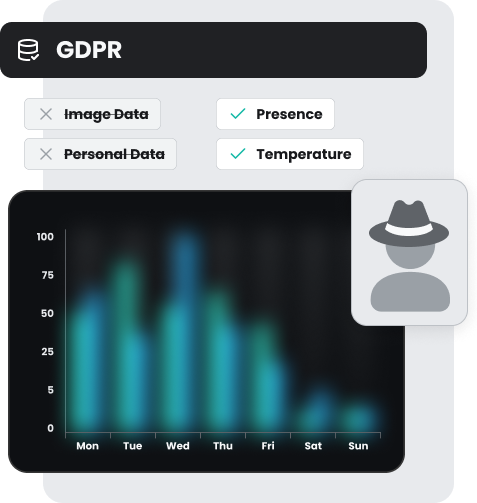
The sensors operate in compliance with GDPR and record only physical conditions such as presence or heat. No personal or image data is processed, so the privacy of employees remains protected in all evaluations.

.webp)
Sensors for workplaces
The workplace sensors allow you to measure the actual occupancy of the workplaces. The sensors detect within 60 seconds whether someone is sitting in the seat. The detection works using distance measurement and heat detection. If the heat slowly rises above the average room temperature and the distance sensor also detects movement, then presence is detected with an accuracy of up to 100%.
Sensor for meeting rooms
The room sensors can be easily and wirelessly mounted in the meeting rooms using magnets or screws. Detection is achieved using radar and PIR sensors. The sensor reports when the room is in use. The accuracy is up to 99%. In larger rooms, multiple sensors can be installed.
Common challenges in everyday office life

Inaccurate data for area decisions
Reliable figures on actual space usage are often lacking when leases are renewed. This leads to costly mistakes due to renting too much square footage. Sensors provide a good overall picture of the actual occupancy as a sound basis for targeted area adjustments and cost savings.

Ghost bookings
Booked but unused workspaces and meeting rooms create the illusion of high occupancy, even though the spaces are actually empty. Without sensors, these ghost bookings go unnoticed. The sensors show exactly how often booked slots remain unused, so you can immediately see the true office occupancy in the reports.

Unknown resource utilization
It often remains unclear which specific desks or meeting rooms are hardly used in everyday life. Sensors make unpopular areas transparent. This way you regain valuable space and can specifically redesign unused areas – for example into sought-after meeting zones, telephone booths or lounge areas.

Walk-in without prior booking
Workspaces and meeting rooms are often used spontaneously in everyday office life, without being booked in the system beforehand. Without sensors, this usage remains invisible, thus distorting occupancy statistics. Sensors reliably detect unannounced presences and ensure a seamless evaluation of the actual room occupancy.
How does the hardware solution work?
.svg)
No wiring required!
The sensors operate completely autonomously and are mounted wirelessly. You do not need to lay any power or data cables, making installation very easy and completely avoiding structural modifications to the building.

Long battery life
The sensors consume very little energy. Once installed, the batteries run continuously for 2 to 4 years, depending on the setting – you don't have to worry about anything for years and maintenance remains minimal.

No direct network connection
The sensors do not connect to your local Wi-Fi or company network. Data transmission runs in isolation via a dedicated gateway, which eliminates IT security risks and simplifies integration into your infrastructure to the greatest extent possible.
.webp)
.svg)
Book a live demo!
Are you interested or do you have any questions?

Warum Unternehmen auf Flexopus setzen
Hardware sensors vs. "software sensors"
As an alternative to sensors, the occupancy of workstations can theoretically also be detected by identifying peripherals such as monitors and docking stations. However, this so-called "software sensor technology" does not offer the accuracy and reliability of physical hardware sensors.
The differences in comparison:
Conclusion: Despite the initial cost, the sensors may be more cost-effective over a minimum period of 3 years, since licenses are billed per sensor rather than per user. A rollout can also be carried out for only part of the building. The quality of the data recognition is more accurate.
Recommended hardware solutions
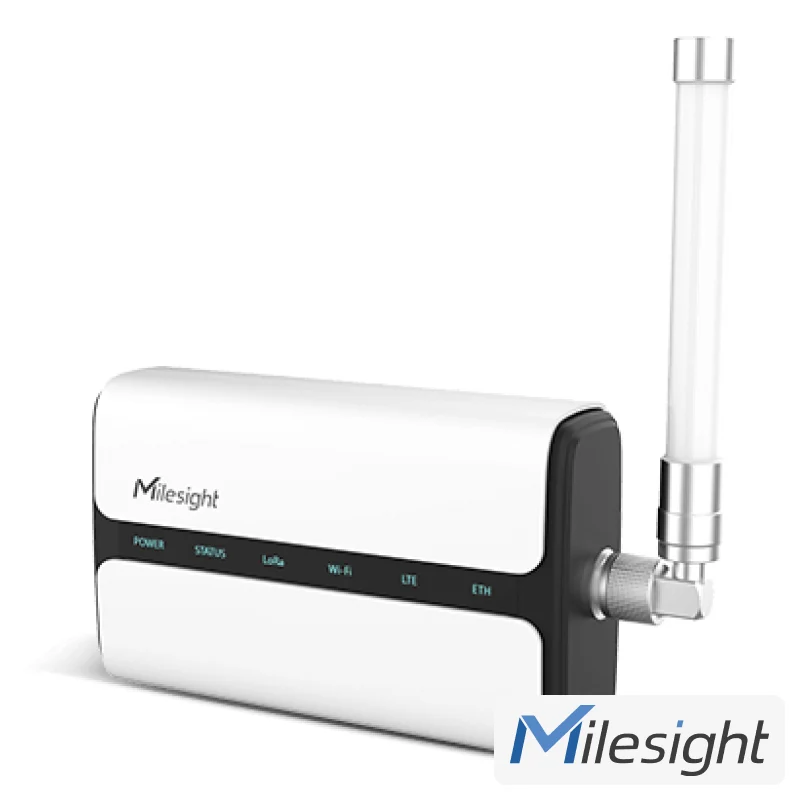
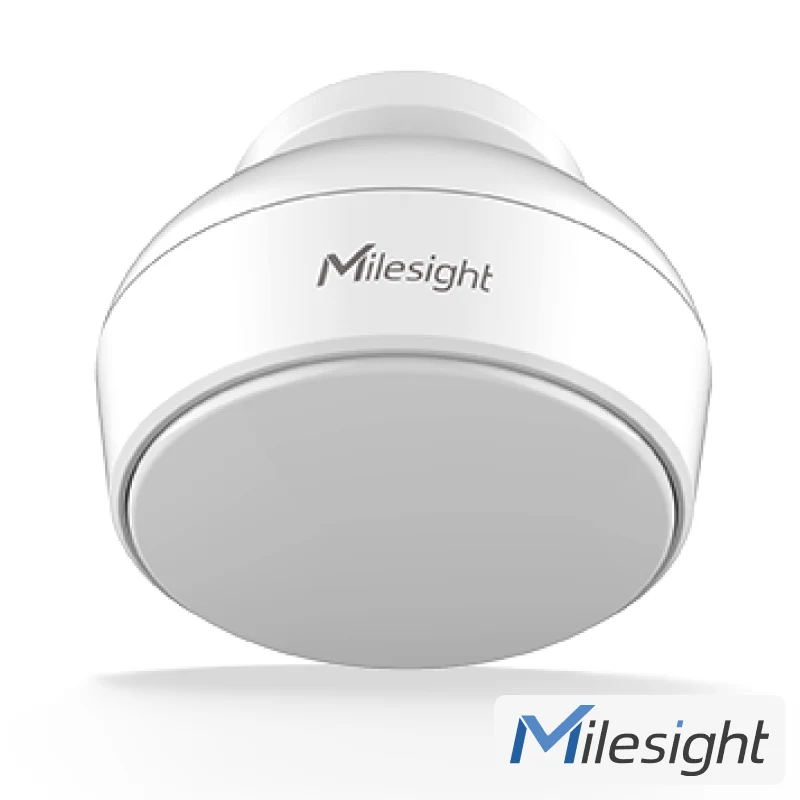
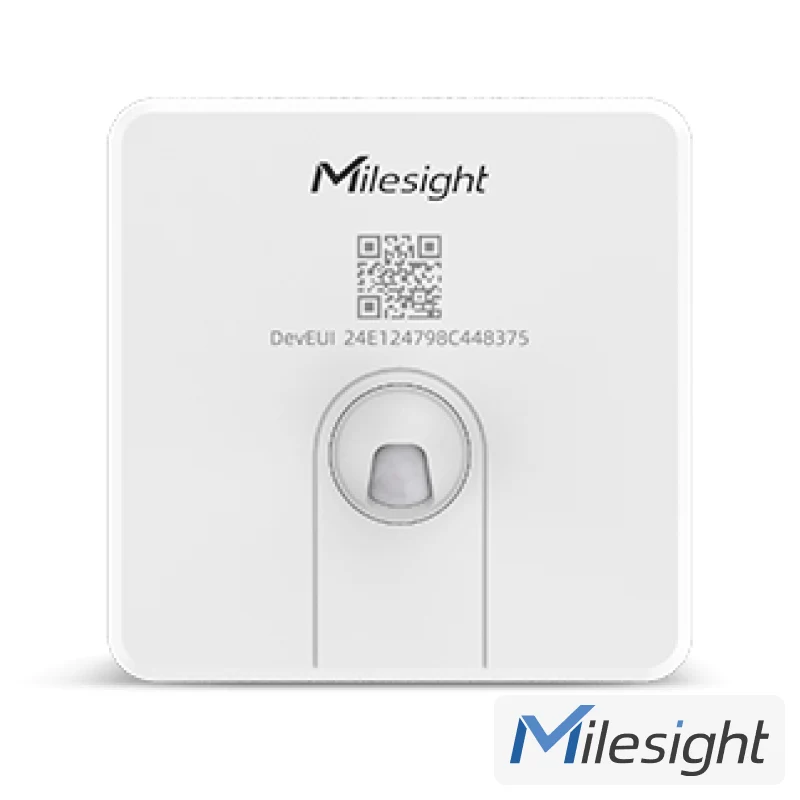
*Official software support is guaranteed for devices from the B2B partner shop. Flexopus is available with limited support when using other hardware.
Order from the B2B partner online shop!
Order the recommended hardware solutions from our partner B2B online shop!
.svg)
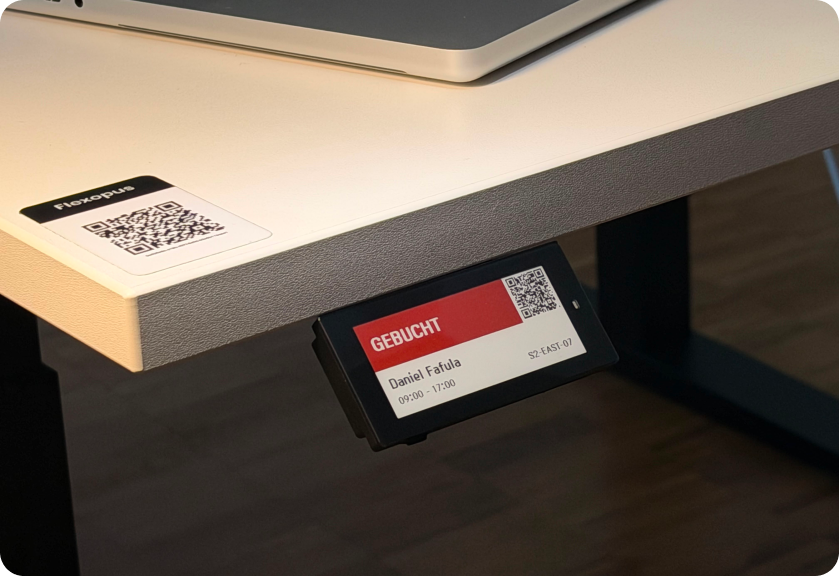
E-paper displays for desks
Display the live booking status directly at the seat. Learn how e-paper displays, through seamless integration with Flexopus, increase workplace transparency and simplify orientation.
Questions and answers
Do the sensors capture personal data or camera footage?

The sensors collect only anonymous presence data (e.g. via pure heat or presence sensors). No images, sounds, or personal data are stored or transmitted.
What are the benefits of combining Flexopus and sensors in everyday office life?
Bookings alone often do not reflect actual attendance. Sensors show how spaces are actually used – regardless of whether they were booked in advance or not. The connection provides you with reliable real-time data, meaningful heatmaps and evaluation data to optimize space requirements, occupancy and room utilization in the long term.
Can the use of the sensors be easily agreed upon with the works council?
The sensors measure without a camera, completely anonymously, and cannot identify any individuals. Even when sensor data is linked to bookings, there are ways to anonymize booking data in Flexopus. Therefore, the data can be used purely for determining space utilization.
Are there ongoing license fees in addition to the hardware costs?
The processing and live display of sensor data in Flexopus is covered by a monthly or annual module license. Simply contact us – we will be happy to create a customized offer for your building.
