Modern Office Concepts
2026-06-02
.webp)
The modern workplace: How companies work today and in the future
Modern workplaces combine flexible work models, digital technologies, and employee-oriented office design. Companies benefit from increased productivity, better collaboration, and happier employees—especially through hybrid work, desk sharing, and digital workplace solutions.

Table of Contents
A modern workplace is much more than an ergonomic desk or an attractively designed office. It combines flexible work models, digital technologies, and an employee-oriented work environment. The focus is on productivity, collaboration, well-being, and the ability to adapt flexibly to new demands in the world of work.
What is a modern workplace?
The term "modern workplace" describes much more than just an ergonomic desk or a stylishly furnished office. Modern workplaces combine flexible work models, digital technologies, and an employee-oriented work environment. The goal is to offer employees optimal conditions for productive, efficient, and pleasant work.
But what does a modern workplace look like? This is exactly the question many companies are asking themselves today. Because the demands on work environments have changed significantly in recent years. Working from home, hybrid work, and flexible workspaces have become part of everyday life for many people.
The modern workplace of the future is no longer oriented exclusively toward fixed structures. Instead, the focus is on flexibility, collaboration, well-being, and digital processes. Companies must therefore continuously develop their office concepts to satisfy employees in the long term while simultaneously increasing productivity.
What does a modern workplace look like?
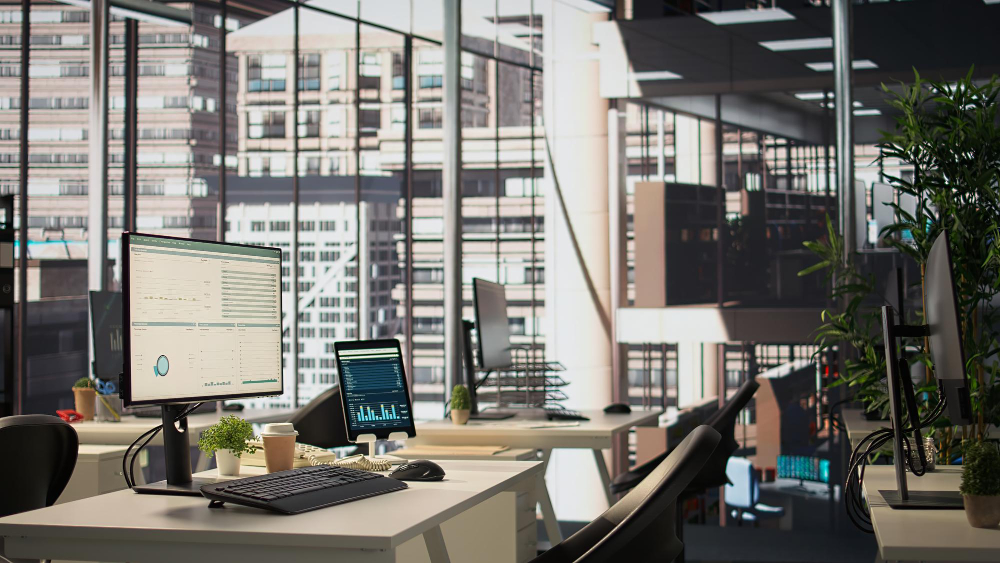
A modern workplace in the office is characterized by various aspects. It is not just about the design of individual workstations, but about a holistic concept for modern work environments.
Typical features of modern workplaces include:
- Flexible work areas for different tasks
- Hybrid work models with home office options
- Digital technologies for efficient processes
- Open spaces for collaboration and communication
- Quiet zones for focused work
- Ergonomic and healthy working
- Sustainable office design
- Focus on employee satisfaction and well-being
Modern companies understand today that different employees have different needs. While some people prefer quiet work environments, others need creative spaces for teamwork or spontaneous meetings.
That is why modern office concepts are increasingly relying on different work areas within an office space. These include, for example:
- Focus workstations
- Creative spaces
- Meeting rooms
- Phone booths
- Lounge areas
- Shared desks
- Retreat rooms
Why modern workplaces are becoming increasingly important
Changes in the world of work have been accelerated in particular by digital technologies and new work models. Many companies have had to realize that classic office structures no longer meet the expectations of modern employees.
Younger generations in particular place great value on:
- Flexibility
- Self-determined work
- Modern technologies
- Work-life balance
- Meaningful work environments
- Hybrid work models
Companies that ignore these needs increasingly face challenges in recruiting and retaining employees.
A modern workplace can therefore become a real competitive advantage. Modern workplaces not only promote employee satisfaction but often also improve productivity, collaboration, and corporate culture.
Modern workplaces promote productivity and collaboration
A modern work environment has a direct impact on how people work. Well-planned workspaces help employees work more efficiently and communicate better with one another.
Hybrid work models in particular require well-thought-out solutions. When employees switch flexibly between working from home and the office, processes and technologies must function seamlessly.
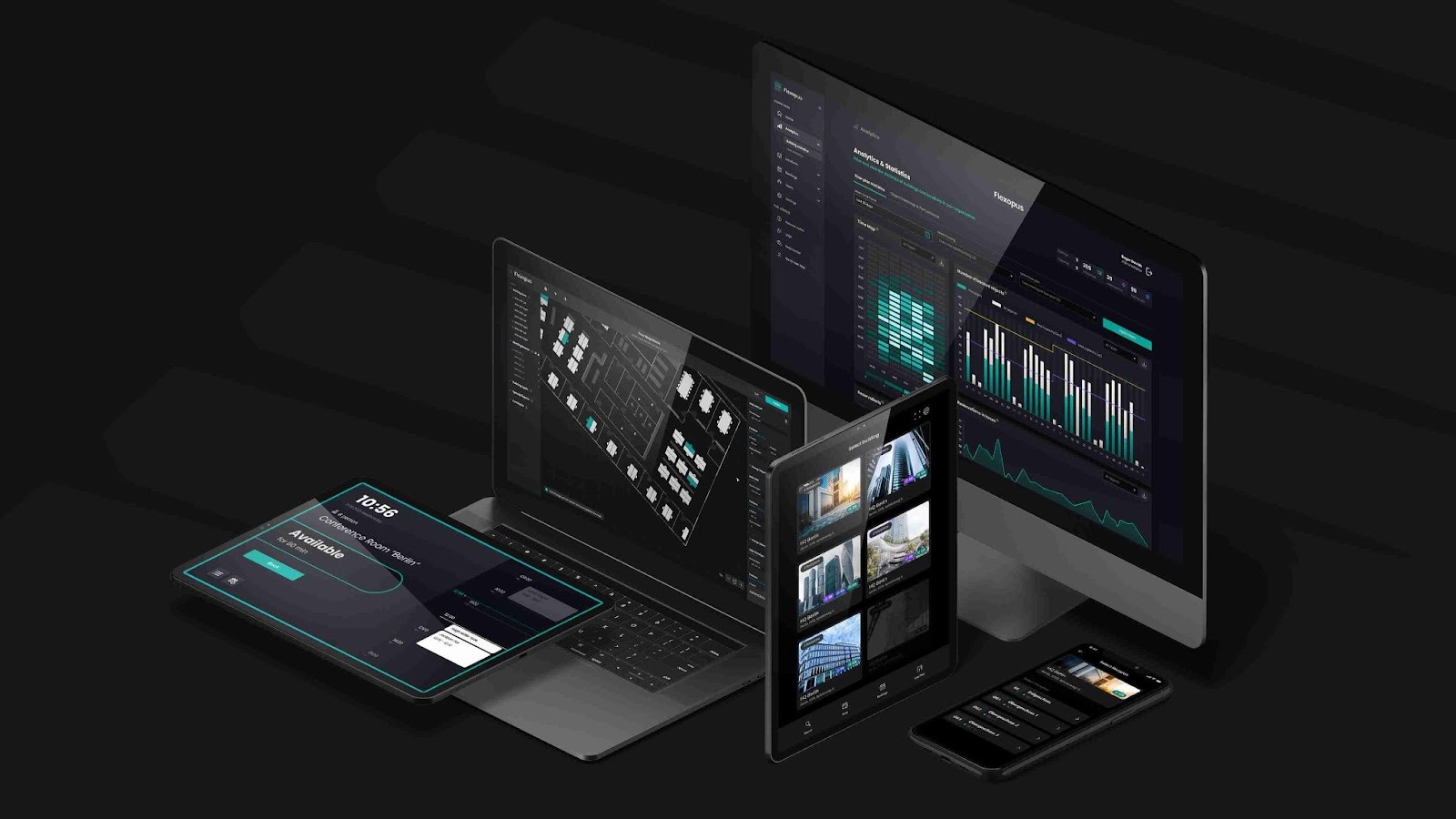
Digital workplace solutions play a central role here. Modern companies rely on software solutions that flexibly manage workstations, rooms, and resources.
With a workplace management platform like Flexopus, you can, for example:
- Book workspaces flexibly with desk sharing software
- Reserve meeting rooms via a room booking system
- Manage parking spaces using a parking space booking system
- Make assets and inventory bookable via asset management software
- Easily invite visitors using visitor management software
- Optimize office space utilization
- Coordinate attendance
- Connect teams more effectively
Especially with desk-sharing concepts, a digital solution has become almost indispensable. Employees want to see quickly which workstations are available and where their colleagues are sitting. Companies, in turn, benefit from better utilization of their office space.
Modern office concepts as the foundation for new working worlds
The classic open-plan office is increasingly reaching its limits in many companies. Modern office concepts therefore focus more on flexible structures and different types of rooms.
The modern workplace of the future is oriented less toward fixed hierarchies and more toward actual work processes.
Important aspects of modern office design include:
Flexibilität
Workstations must be able to adapt quickly to new requirements. Mobile furniture, modular rooms, and flexible workstation concepts provide the foundation for this.
Technology
Digital technologies are part of every modern work environment today. Video conferencing, cloud solutions, and workplace management systems enable efficient collaboration—regardless of location.
Well-being
Employee well-being is becoming increasingly important. Natural light, acoustics, ergonomics, and quiet zones have a direct impact on employee satisfaction.
Collaboration
Modern working environments promote exchange between teams. Open communication areas and creative spaces support collaborative work.
Sustainability
Sustainability also plays an important role in modern workplaces. Companies are increasingly focusing on resource-efficient office design and greater office space efficiency.
Challenges in designing modern workplaces
However, the introduction of modern workplaces also brings challenges. Companies must reconcile various requirements.
These include, among others:
- Diverse employee needs
- Technological requirements
- Changing existing work culture
- Adapting processes
- Optimizing office space
- Data protection and security
- Communication in hybrid teams
The corporate culture in particular plays a central role. Modern work models only function successfully when trust, transparency, and personal responsibility are encouraged.
Many companies are currently in the midst of this transformation. Old structures are meeting new ways of working. That is why it is important to implement changes gradually and actively involve employees.
Working from home and hybrid work as part of modern working environments
Since the pandemic at the latest, working from home has become part of everyday life for many companies. The modern workplace is therefore no longer limited exclusively to the office.
Instead, hybrid work models are emerging in which employees flexibly switch between different work locations.
This also changes the role of the office itself. Today, modern offices often serve less as a pure place of work and more as a space for:
- Collaboration
- Meetings
- creative processes
- social interaction
- corporate culture
This also changes the requirements for modern office workplaces. Companies need fewer fixed individual workstations and more flexible work areas.
The modern workplace of the future
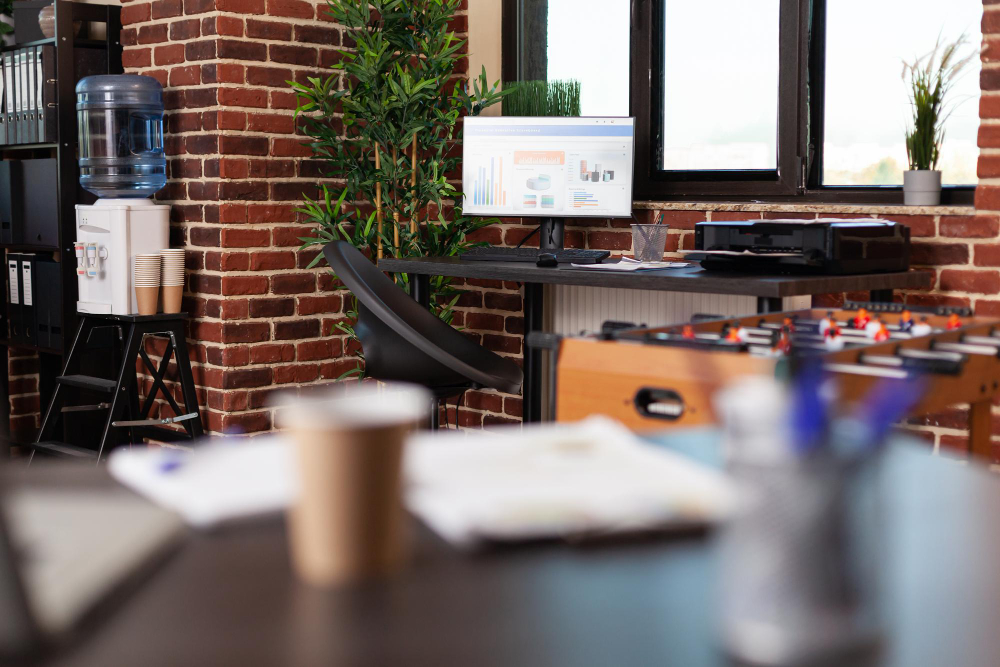
What will modern workplaces look like in the future? Many developments indicate that working environments will become even more flexible, digital, and human-centric.
Artificial intelligence, smart building technologies, and data-driven workplace concepts could further optimize workflows in the future.
At the same time, people remain the focus. The modern workplace of the future should support employees—not control them. Companies will therefore increasingly rely on solutions that:
- Enable flexibility
- Promote collaboration
- Simplify processes
- Optimize office space
- Increase employee satisfaction
Modern workplaces are therefore not a short-term trend, but the foundation of future working environments.
Conclusion: Modern workplaces as a success factor for companies
A modern workplace combines technology, flexibility, and employee-oriented design. Companies benefit not only from more efficient processes but also from higher employee satisfaction and better collaboration.
The demands on modern work environments will continue to evolve. Therefore, companies should invest early in modern office concepts, digital solutions, and flexible work models.
With intelligent workplace management solutions like Flexopus, modern workplaces can be organized efficiently and hybrid work environments can be optimally supported. This allows companies to create a modern work environment that promotes productivity, collaboration, and well-being in the long term.
The most important questions summarized
What defines a modern workplace?

A modern workplace combines flexible work models, digital tools, and a pleasant work environment. Instead of rigid structures, the focus today is on productivity, collaboration, well-being, and the individual needs of employees.
Why are modern workplaces important for companies?
Modern workplaces help companies attract and retain employees while increasing productivity. Flexible office concepts, remote work, and digital processes improve collaboration and make companies more attractive.
What role do digital workplace solutions play?
Digital workplace solutions simplify the organization of hybrid work. Employees can book desks and rooms, find team members more easily, and coordinate attendance better. As a result, companies use their office space more efficiently.
Last updated:
2026-10-12
.svg)


.webp)
.webp)